
Energy Insights
Explore evidence-based articles about food timing, energy management, and how your eating patterns influence your daily vitality. Our editorial team shares research, practical tips, and insights to help you optimise your relationship with food and energy.
Featured Insight

Morning Meals and Afternoon Energy: What the Research Shows
When you eat your first meal of the day has a profound impact on how you feel hours later. Discover how breakfast timing influences your glucose stability, mental clarity, and energy dips in the afternoon. This article explores the science behind morning fuel and why one-size-fits-all breakfast advice often misses the mark.
Filter by Category
Recent Insights
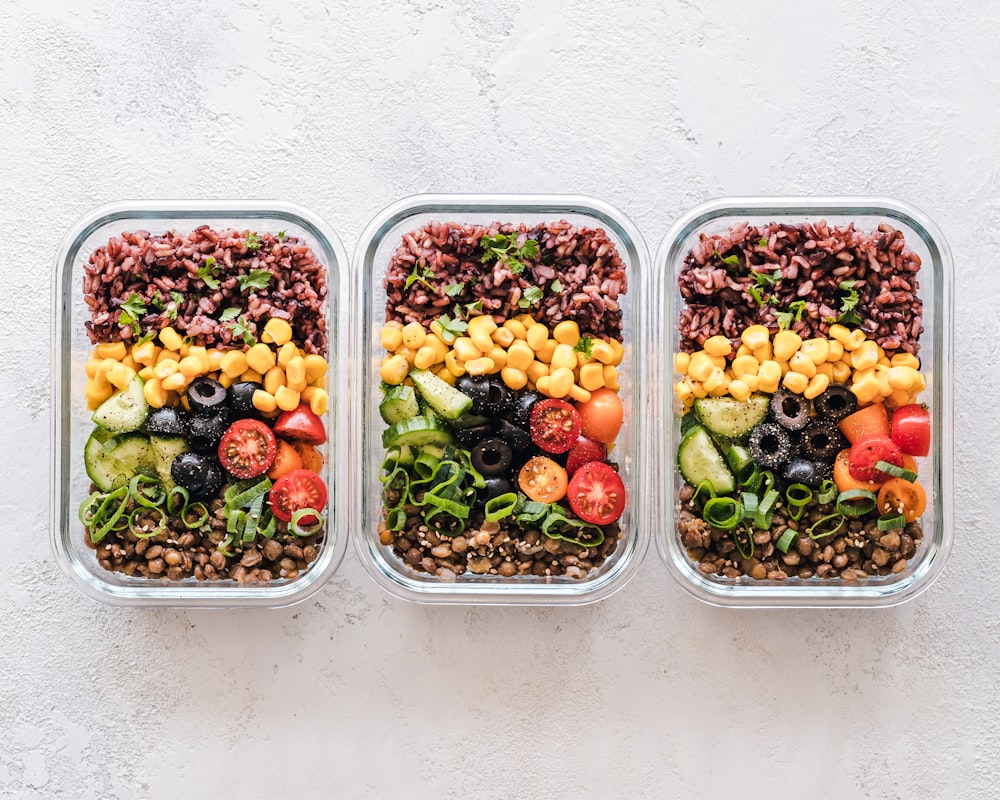
Stable Blood Sugar: The Foundation of Consistent Energy
Learn how glucose fluctuations affect your energy, mood, and focus. This insight explains the mechanisms behind energy crashes and reveals which eating patterns support steady vitality throughout your day.
Read more →
Evening Eating Windows: Timing Your Last Meal for Better Sleep
When you eat in the evening shapes how well you sleep. This article examines the relationship between meal timing and sleep quality, helping you find the optimal window for your final meal based on your lifestyle and goals.
Read more →
Eating Patterns and Natural Energy Rhythms: Finding Your Flow
Different eating approaches—from frequent meals to extended fasting—interact with your body's natural energy cycles. Explore how various timing patterns affect your vitality and discover which rhythm might suit your needs.
Read more →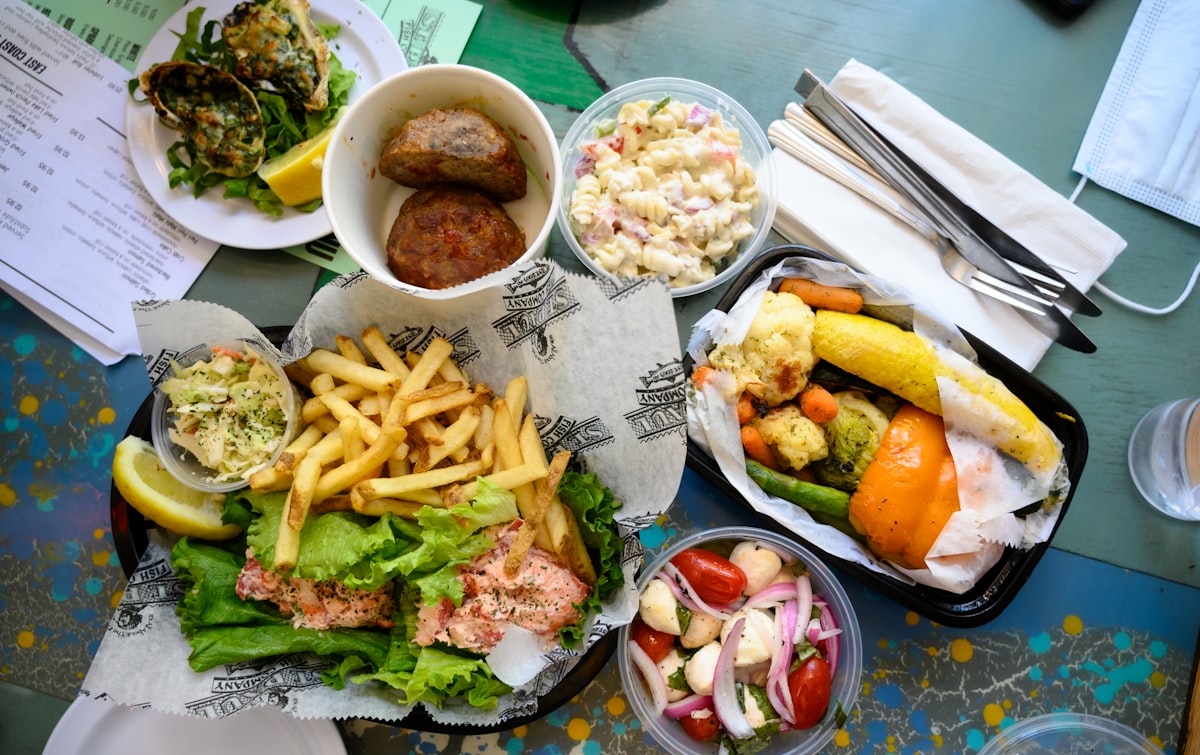
Brain Fuel: Nutrition Timing for Sharper Focus and Clarity
Your brain demands consistent energy to function optimally. This insight reveals how specific nutrients and timing windows support concentration, mental clarity, and cognitive performance throughout your working day.
Read more →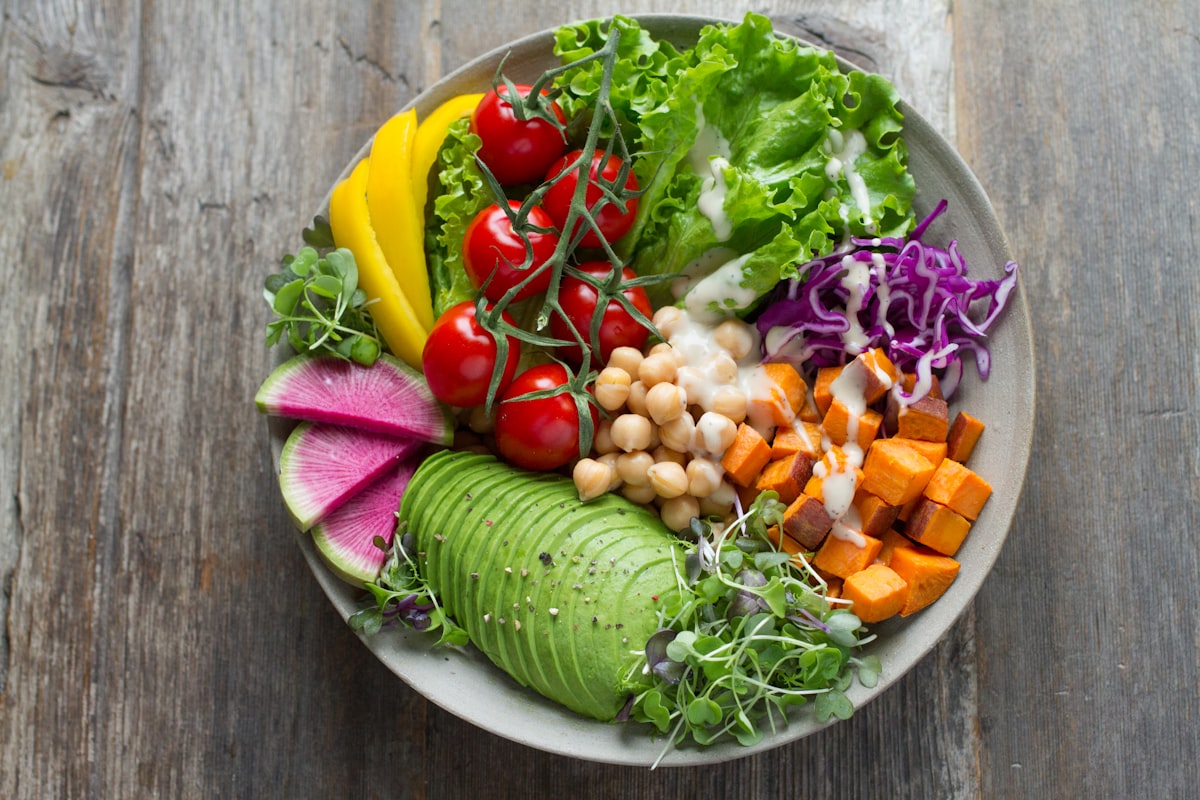
Pre and Post-Activity Eating: Fuel for Performance and Recovery
When you eat relative to exercise or activity shapes your performance and recovery. Learn how to time your nutrition around movement to optimise energy availability, endurance, and how you feel afterwards.
Read more →
Often Overlooked: How Hydration Timing Affects Your Energy Levels
Dehydration is a silent energy killer. This article explores how fluid intake timing influences fatigue, cognitive function, and physical vitality—and reveals why drinking patterns matter as much as eating patterns.
Read more →
Beyond One-Size-Fits-All: Why Your Timing May Differ from Others
Generic meal timing advice often fails because human biology varies. Discover why some people thrive on early breakfasts while others feel better with later starts, and how to identify your natural eating rhythm.
Read more →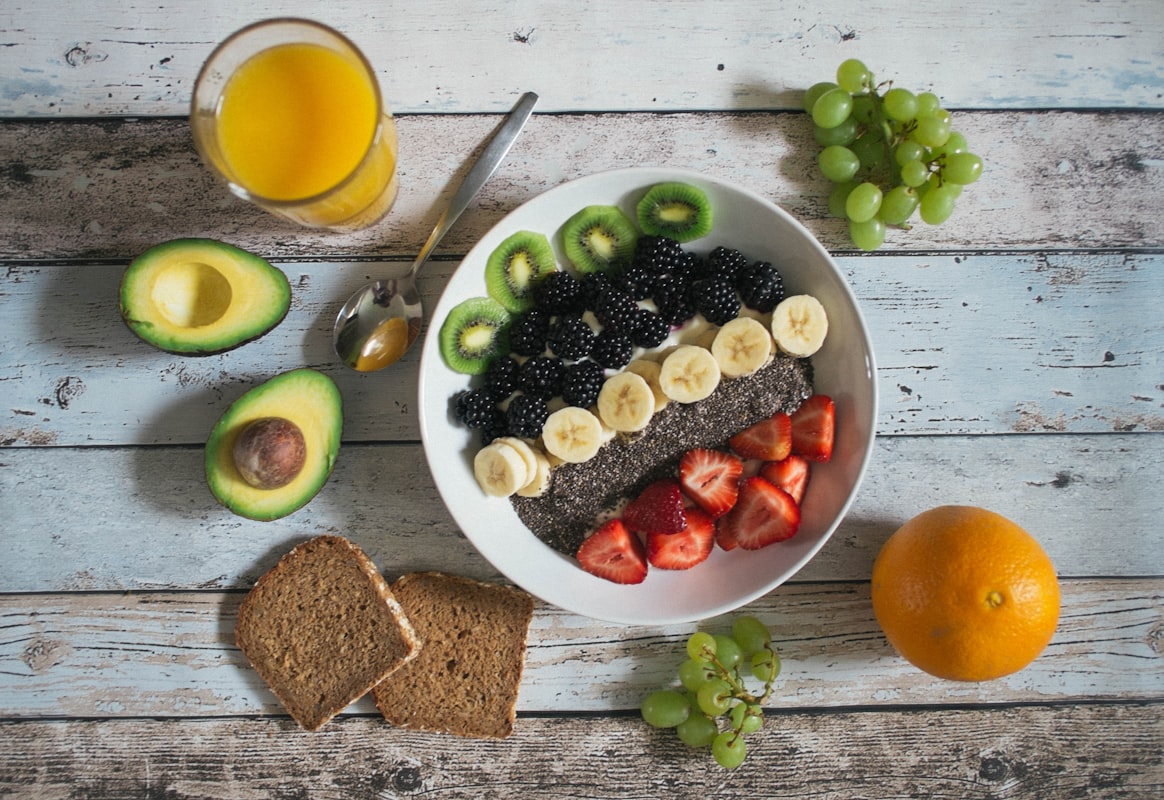
Seasons and Schedules: Adapting Your Eating Rhythm Throughout the Year
Your ideal meal timing isn't static. Explore how seasonal changes, shift work, travel, and life transitions affect your energy patterns, and learn practical strategies for adjusting your eating timing to match changing circumstances.
Read more →Common Questions About Food Timing and Energy
What is the best time to eat breakfast for sustained energy?
The optimal breakfast time depends on your personal schedule and how your body responds to different timing windows. Some people feel energised eating within an hour of waking, whilst others prefer a later breakfast. The key is consistency and choosing a window that supports stable energy throughout your morning. Experiment with different start times and notice how you feel mid-morning and at lunch.
How long after eating do energy dips typically occur?
Energy crashes don't follow a rigid timeline—they vary based on meal composition, portion size, individual metabolism, and activity level. Generally, meals high in refined carbohydrates may trigger energy dips 2–3 hours after eating, whilst balanced meals with protein and fibre often sustain energy longer. Reading your body's signals is more reliable than following generic timing advice.
Does skipping meals improve or harm energy levels?
Skipping meals typically depletes energy rather than enhancing it, as your body lacks the fuel needed for concentration, physical activity, and metabolic function. However, some people report feeling energised during planned eating windows (such as intermittent fasting approaches), whilst others find frequent eating works better. The difference lies in whether the pattern is intentional, sustainable, and nourishing for your individual needs.
Can eating at night disrupt my energy the next day?
Late eating can affect sleep quality and morning energy if it interferes with digestion or stimulates your nervous system. However, not everyone responds the same way. Some people sleep well regardless of evening meal timing, whilst others notice they feel foggy or fatigued if they eat too close to bedtime. Tracking your sleep quality and morning energy in relation to eating times helps identify your personal patterns.
How does hydration relate to energy timing?
Dehydration significantly impacts energy, mental clarity, and physical performance. Your body needs consistent hydration throughout the day, not just during meals. Spreading fluid intake evenly supports sustained energy better than drinking large amounts at once. Pay attention to your thirst cues and urine colour to gauge hydration, and experiment with adjusting your drinking rhythm alongside meal timing.
Should I eat before or after exercise for better energy?
Timing depends on the type and intensity of activity and how your body responds. Some people perform better with a light meal 1–2 hours before exercise, whilst others prefer exercising on an empty stomach. Recovery eating varies too—eating within a few hours post-activity supports replenishment, but there's no magical "window". Experiment with different timing and note how you feel during activity and afterwards.
Dive Deeper Into Energy Optimisation
Explore our complete collection of articles, practical guides, and research summaries. Our editorial team continuously publishes new insights to help you understand how food timing shapes your daily energy and wellbeing.
About Mindful Plate Balance Insights
Research-Informed
Our articles draw from published research, nutritional science, and evidence-based perspectives on how food timing influences energy and wellbeing. We aim to provide balanced, thoughtful information.
Editorial Team
Written by experienced contributors with backgrounds in nutrition, health writing, and wellness education. We prioritise clarity and practical insight over complex jargon.
Actionable Wisdom
Beyond theory, our insights include practical strategies and real-world applications. We believe knowledge is most valuable when you can use it to support your own energy and vitality.
Content Feedback
Have questions about our articles, or would you like to suggest a topic for future insights? We value feedback from our readers and welcome your thoughts on how we can improve our editorial content.
Email our editorial team: [email protected]
Please note: Our articles are for informational and educational purposes. They do not replace personalised advice tailored to your individual circumstances. For concerns specific to your health or situation, consider consulting a qualified healthcare professional.