
Food Timing Transforms Your Energy
Discover how strategic meal timing can optimise your daily energy levels, improve mental clarity, and support your wellbeing through the power of nutritional scheduling.

Core Features of Meal Timing Science
Understanding how food timing affects your body helps you make informed choices about when and what to eat for sustained energy.
Morning Energy Activation
Eating a substantial breakfast within 1-2 hours of waking activates your metabolism and sets the tone for sustained energy throughout the morning. Learn how breakfast composition impacts cognitive performance and mood stability.
Balanced Nutrient Distribution
Spreading macronutrients across multiple meals prevents blood sugar crashes and maintains steady energy. Discover the optimal timing for protein, carbohydrates, and fats to support your daily activities.
Strategic Eating Windows
Understanding your body's natural circadian rhythms helps you align meal times with peak energy hours. Explore how timing meals during your most active periods maximises nutrient utilisation and mental clarity.
Cognitive Performance
Proper meal timing directly influences focus, concentration, and mental performance. Learn which foods and timing patterns support optimal brain function throughout your workday and beyond.
Metabolic Efficiency
Eating at the right times optimises your metabolic rate and nutrient absorption. Discover how meal timing influences your body's ability to process and utilise the energy from food throughout the day.
Sustained Wellness
Consistent meal timing supports overall wellbeing, better sleep quality, and reduced afternoon energy crashes. Learn how regular eating patterns contribute to long-term energy stability and vitality.
The Science Behind Meal Timing
Your body operates on a 24-hour biological clock called the circadian rhythm. This internal timing system influences digestion, metabolism, hormone production, and energy availability throughout the day. When you align your eating patterns with these natural rhythms, you support more efficient nutrient absorption and sustained energy.
Research shows that eating larger meals earlier in the day, when digestive capacity is strongest, allows for better nutrient utilisation. Evening meals should be lighter and consumed 2-3 hours before sleep to support restful recovery. Strategic snacking between main meals prevents energy dips and maintains stable blood sugar levels.
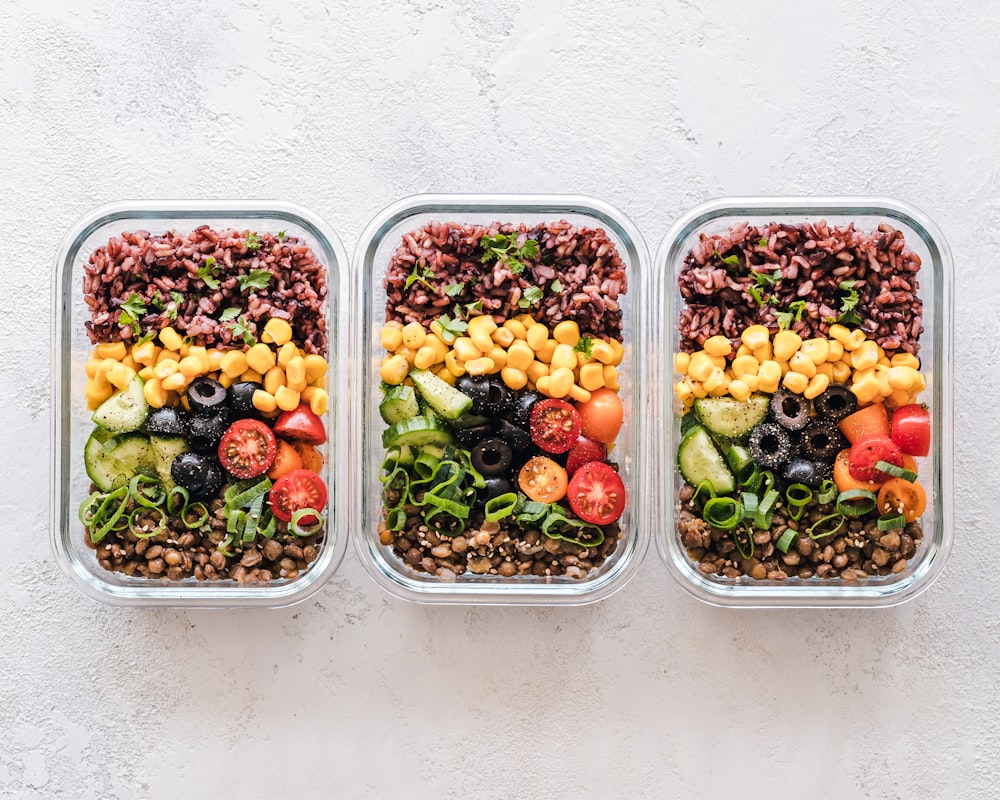
The composition of each meal matters equally alongside timing. Combining protein with complex carbohydrates and healthy fats creates a balanced nutrient profile that provides sustained energy release, prevents cravings, and supports overall wellbeing.
Daily Energy Optimisation Steps
Implement these strategic timing principles to build a sustainable eating pattern that supports consistent energy throughout your day.
Establish Consistent Wake Time
Begin by setting a regular wake time each day. This anchors your circadian rhythm and sets the foundation for optimal meal timing throughout your day. Consistency is more important than specific hours.
- Maintain the same wake time daily
- Allow morning sunlight exposure
Breakfast Within 1-2 Hours
Eat a balanced breakfast containing protein, complex carbohydrates, and healthy fats within 1-2 hours of waking. This activates metabolism and prevents mid-morning energy crashes while supporting sustained focus.
- Include protein source (eggs, yogurt, nuts)
- Add whole grains or fruit
Space Meals Every 4-5 Hours
Schedule main meals approximately 4-5 hours apart. This interval allows proper digestion while maintaining stable blood sugar and energy levels. Include small snacks between meals if needed.
- Breakfast, lunch, dinner schedule
- Mid-morning or afternoon snacks
Evening Eating Guidelines
Finish your last meal 2-3 hours before bed to allow adequate digestion. Evening meals should be lighter than breakfast and lunch, focusing on easily digestible proteins and vegetables. Avoid caffeine after mid-afternoon and large meals close to bedtime, as these can interfere with sleep quality and recovery.
Energy Patterns: Timed vs. Random Eating
Compare how strategic meal timing differs from inconsistent eating patterns in supporting your daily energy and wellbeing.
Strategic Meal Timing
- Stable blood sugar throughout the day
- Consistent energy without afternoon crashes
- Improved focus and mental clarity
- Better sleep quality at night
- Reduced cravings and appetite swings
- Enhanced nutrient absorption and utilisation
- Sustainable long-term wellbeing patterns
Inconsistent Eating Patterns
- Erratic blood sugar spikes and drops
- Energy crashes mid-afternoon
- Difficulty concentrating and brain fog
- Sleep disruption and poor recovery
- Intense cravings and overeating
- Poor nutrient absorption and digestion
- Difficulty maintaining consistent wellbeing
Practical Meal Timing Strategies
Explore different approaches to meal timing and find the pattern that works best for your lifestyle and energy needs.
Three Square Meals
The traditional approach with breakfast, lunch, and dinner spaced 4-5 hours apart. Best for individuals with consistent daily schedules and stable energy throughout the day.
Breakfast: 7-8 AM
Lunch: 12-1 PM
Dinner: 6-7 PM
Ideal for office workers and those with regular routines.
Five Smaller Meals
Eating five smaller, balanced meals or snacks throughout the day maintains constant energy and prevents significant hunger. Requires more meal planning but offers sustained stability.
Breakfast: 7 AM
Mid-morning: 10 AM
Lunch: 1 PM
Afternoon: 4 PM
Dinner: 7 PM
Suits active individuals and athletes.
Early Stop Eating
Finishing all meals by late afternoon with no food intake in evening hours. Supports better sleep and allows longer digestive rest periods overnight.
Breakfast: 7 AM
Lunch: 12 PM
Early dinner: 4-5 PM
Optional light snack: before 3 PM
Best for evening relaxation and quality rest.
Later Breakfast Start
Delaying breakfast until 10-11 AM with fewer meals throughout the day. Works well for those who are not hungry early or have later wake times.
Breakfast: 10-11 AM
Lunch: 2-3 PM
Dinner: 6-7 PM
Suits night workers or late risers.
Workout-Aligned Timing
Structuring meals around exercise sessions to optimise performance and recovery. Key meals occur before and after physical activity for energy and muscle support.
Pre-workout: 1-2 hours before
Post-workout: within 30-60 mins
Other meals: as needed
Perfect for active individuals and athletes.
Intuitive Rhythm
Eating based on your body's natural hunger signals while maintaining consistent wake times. Requires body awareness but allows flexible scheduling that adapts to your daily needs.
Anchor: Consistent wake time
Meals: When genuinely hungry
Evening: 2-3 hours before bed
Best when combined with body awareness.
Common Timing Questions
Find answers to frequently asked questions about meal timing and how to optimise your eating pattern for better energy.
Is skipping breakfast helpful?
No. Eating breakfast within 1-2 hours of waking activates your metabolism and provides essential fuel for morning cognitive tasks. Skipping breakfast often leads to overeating later and energy crashes.
How does eating late affect sleep?
Eating large meals close to bedtime delays digestion and can cause discomfort, acid reflux, and sleep disruption. Finish your last meal 2-3 hours before bed for better sleep quality and overnight recovery.
What should I eat for sustained energy?
Combine protein, complex carbohydrates, and healthy fats at each meal. This balanced approach provides steady energy release, prevents blood sugar crashes, and keeps you feeling fuller longer.
Can I eat snacks between meals?
Yes, strategic snacking prevents energy crashes and maintains blood sugar stability. Choose snacks combining protein and fibre (nuts, yogurt, fruit) rather than simple carbohydrates alone.
How long does it take to adjust to new timing?
Most people notice improvements in energy within 3-7 days of consistent meal timing. Full adaptation to a new eating schedule typically takes 2-3 weeks as your body adjusts to the new rhythm.
Does timing matter more than food quality?
Both matter. Good nutrition combined with strategic timing creates the best results. Quality foods eaten at optimal times provide sustained energy, while poor timing can undermine even excellent nutrition.